
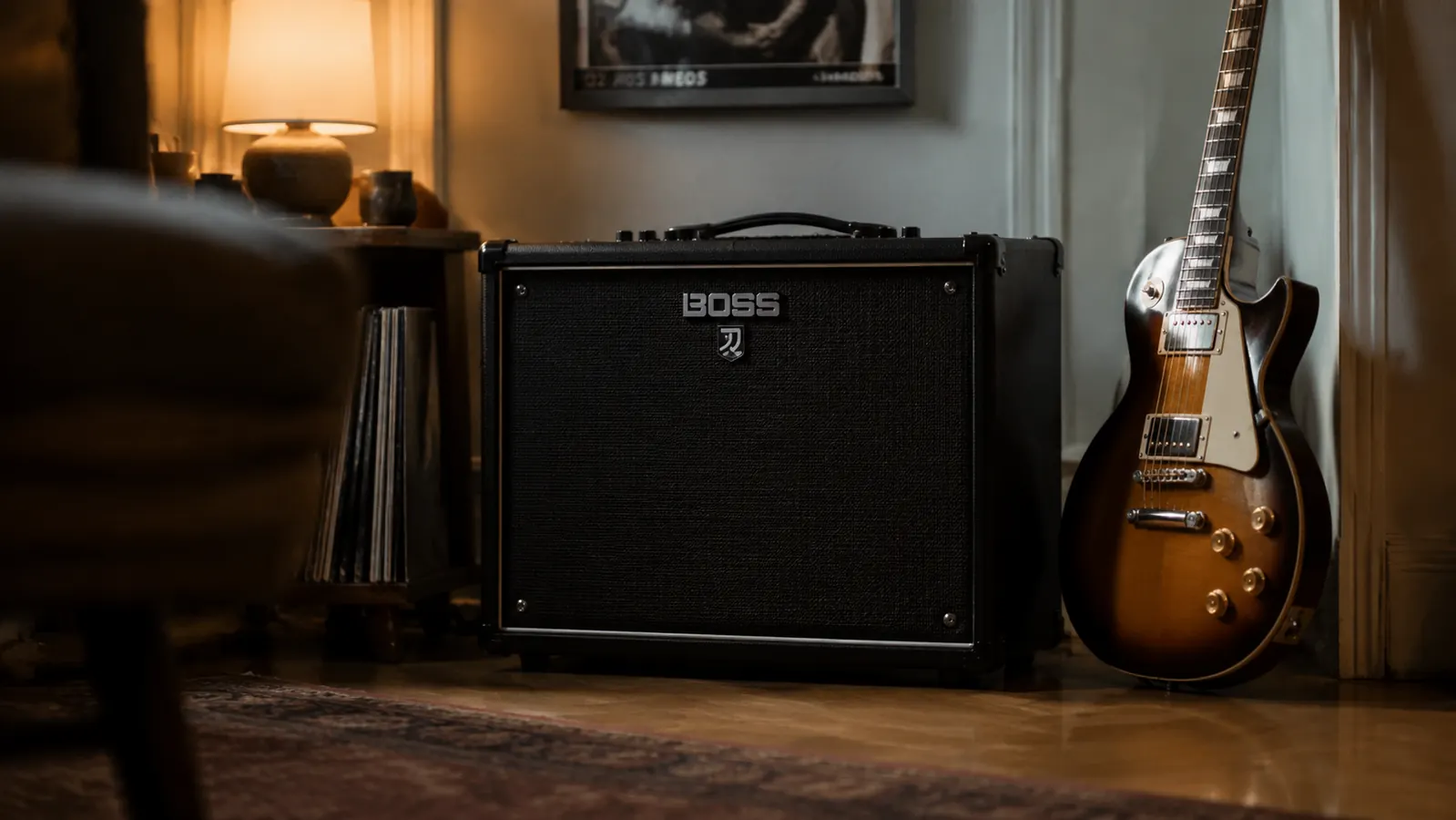
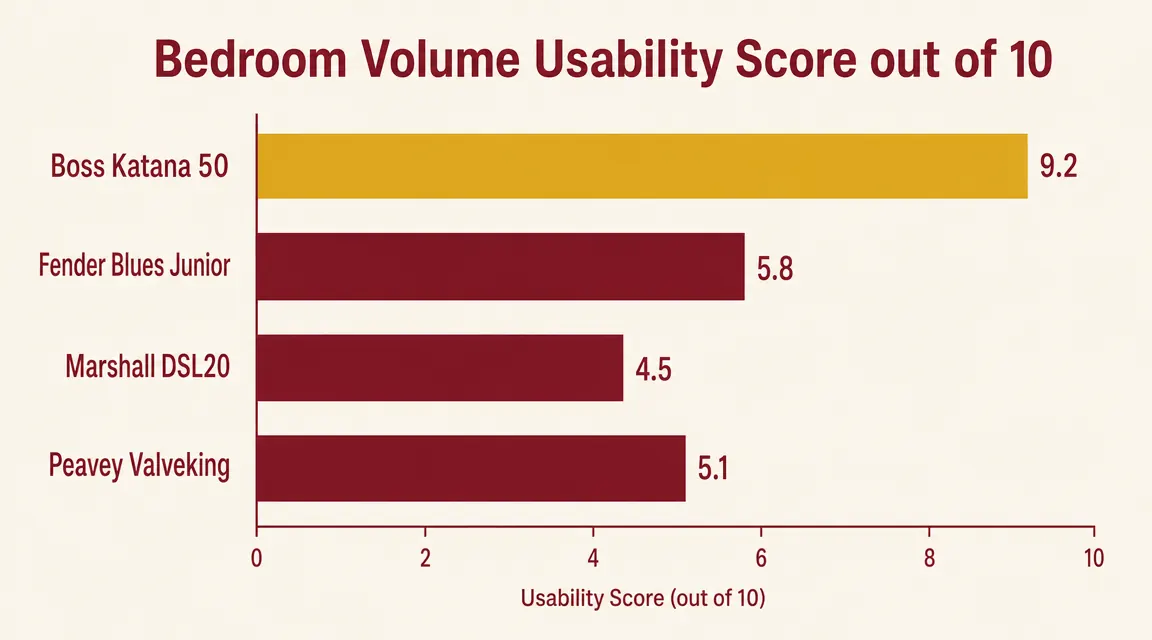
I have owned four tube amps over the past 30 years. A Fender Blues Junior, a Vox AC15, a Marshall DSL20, and a blackface Princeton Reverb reissue that I paid way too much for. Every single one of them sounds best at a volume that will get you evicted or divorced. That is the problem nobody in the gear press wants to admit. The Boss Katana 50 MkII has been sitting on my studio floor for six months now, and it gets played every day, because it actually works at the volumes real bedroom players use.
This is not an anti-tube argument. Tubes are magic at gig volume. But if you are playing in a spare bedroom, an apartment, or anywhere with thin walls and people who sleep, the Katana is going to give you more usable practice time, better tone at low volume, and zero complaints from your neighbors. Here are 10 specific reasons why.
Stop fighting your tube amp at bedroom volume. The Katana 50 MkII is built for exactly this.
Rated 4.7 stars across 2,107 Amazon reviews. The most popular practice amp on Reddit for good reason. Check today's price and see if it is in stock.
Amazon Check Today's Price on Amazon →It Has a 0.5-Watt Power Attenuator Built In
Most tube combos have one volume: too loud. The Katana has a dedicated power attenuator that drops output to 0.5W, 25W, or 50W without changing the fundamental character of the tone. At 0.5W you get real amp response at a volume where you can hold a normal conversation. Try that with a DSL20 cranked to its sweet spot.
Five Amp Voices in One Box
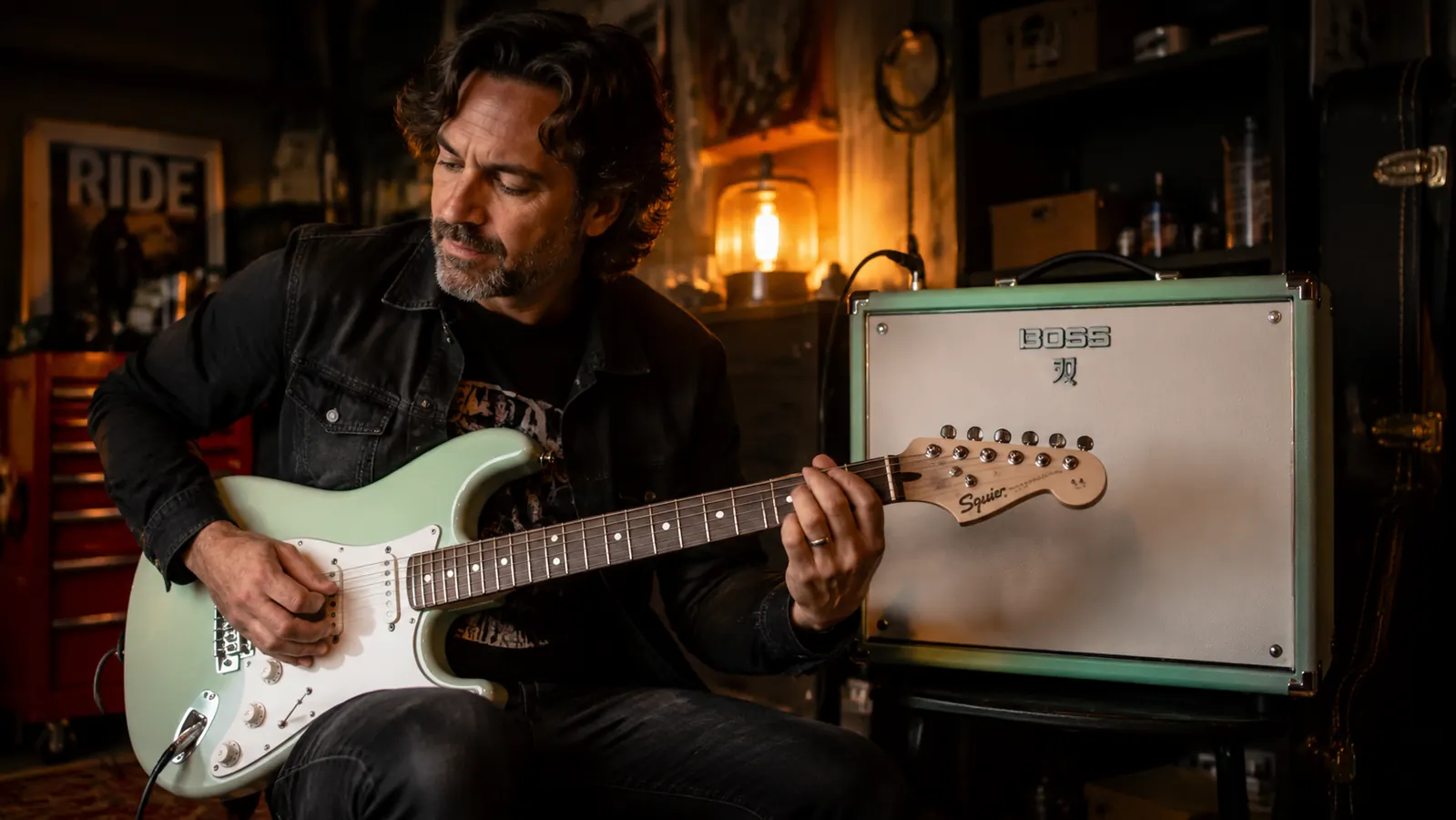
The Katana ships with five voicings: Clean, Crunch, Lead, Brown, and Acoustic. That covers everything from a glassy Fender clean to a scooped 80s high-gain tone without touching a pedal. I have not found a single tube combo at this price that covers even three of those voices convincingly. Swapping between them takes two seconds.
Onboard Effects That Do Not Sound Like an Afterthought
Most solid-state amps with built-in effects sound like they borrowed the reverb from a cheap PA unit. The Katana's reverb, delay, and chorus are genuinely good. The reverb in particular has a room quality that I have heard people confuse with a spring reverb on a blind test. There are 55 effects accessible via the Tone Studio software if you want to go deep.
No Tube Bias Maintenance, Ever
Tube amps need periodic rebiasing when you swap tubes. The tubes themselves wear out, and a fresh set of EL34s is not cheap. The Katana has no tubes to replace, no bias to set, no technician to call. Turn it on, play, turn it off. That sounds basic but after 30 years of amp maintenance I appreciate it more than I expected to.
USB Recording Direct to Your DAW
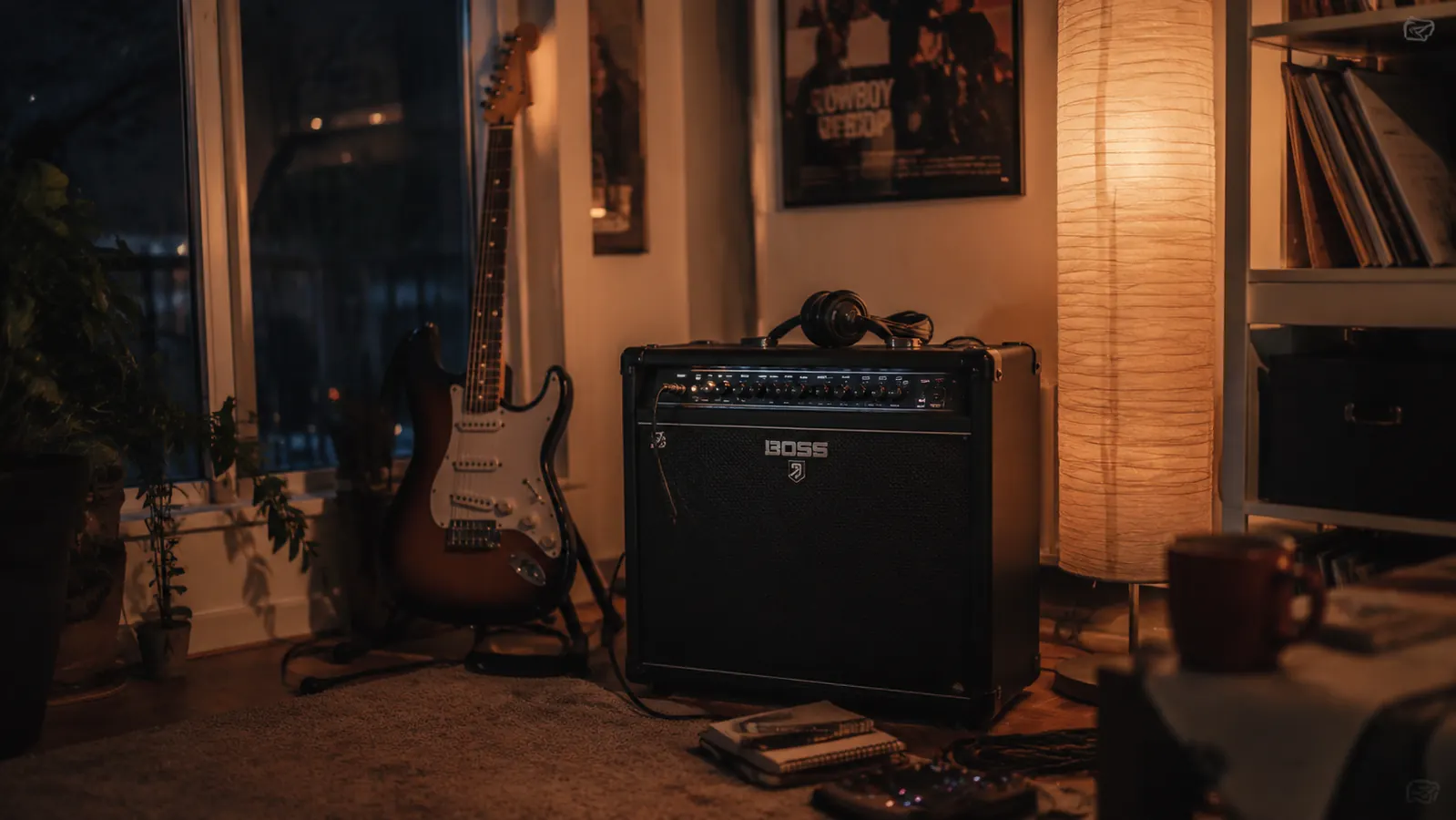
The Katana has a USB output that sends a speaker-simulated signal straight into your computer. Plug in, open GarageBand or Reaper, hit record. The cabinet simulation is usable right out of the box. No mic, no room treatment, no worrying about the neighbor above you at midnight. This alone justifies the purchase for anyone trying to capture ideas at odd hours.
It Weighs 22 Pounds, Not 48
My Vox AC15 weighs 48 pounds. My back knows this. The Katana 50 MkII comes in at about 22 pounds. If you ever take it to a jam session, a lesson, or a friend's garage, you will not need to plan around it the way you would with a tube combo. Lighter also means less strain on the chassis over years of use.
Headphone Output With Speaker Simulation
Plug headphones into the Katana and you hear a speaker-simulated signal, not the raw solid-state output. This matters. Some amps have a headphone jack that sounds like a transistor radio. The Katana's headphone out is the same cab-simulated signal as the USB output. Late-night practice at full gain without waking anyone is a real option.
Tone Studio Gives You Deep Editing on a Real Screen
Boss's free Tone Studio software connects over USB and lets you edit every parameter of your sound, save patches, and download patches from a community of thousands of players. Want a preset that approximates an old Plexi? Someone has already dialed one in and posted it. This is a feature that tube amps simply cannot offer without a separate effects unit.
Four Programmable Patch Memory Slots
The front panel has four memory buttons. Program your clean tone, your crunch tone, your lead tone, and one more for whatever you are working on right now. Switching between them is instant and silent. On a tube amp you are riding the volume knob and the channel switch, hoping you remembered where you left the treble cut last session.
It Is $349. A Decent Tube Combo Is $600 and Up.
A new Blues Junior runs around $650. A used AC15 in decent shape rarely drops below $450. The Katana 50 MkII is around $350 new, with a warranty, and you get everything listed in the previous nine points. That is a hard value argument to argue against when you are playing at bedroom volumes and your tube amp would need to be twice as loud to sound its best.
What I Would Skip
The Katana is not a perfect amp. The Tone Studio software has a learning curve, and until you spend a couple of hours with it you will not unlock half of what the amp can do. The Brown voice is the weakest of the five, in my opinion. It does a passable high-gain thing but lacks the compression and bloom of a real high-gain tube circuit. If 80s metal is your primary thing, you might want to run a dedicated drive pedal in front of the clean channel instead. And if you are gigging regularly and need stage volume, you probably want the Katana 100 rather than the 50.
Six months ago I would have told you no solid-state amp would replace my tube combo for home practice. I would have been wrong. The Katana 50 gets played every day. The Blues Junior has not been touched in three months.
Ready to actually enjoy your bedroom practice sessions instead of fighting your amp?
The Boss Katana 50 MkII is the amp I recommend to every player who asks me what to get for home use. It is in stock, ships fast, and comes with Boss's standard warranty. Check today's price before it moves.
Amazon Check Today's Price on Amazon →